






















Standing in a cold warehouse at 6am, wondering why the thermal jumper you bought last winter is already letting the chill straight through, is more common than you’d think. Most people assume warmth is just about thickness, but that’s not quite it. You might think a heavier jumper always means a warmer one, and that’s actually one of the biggest myths out there. The truth is far more interesting, and far more useful once you know it.
Whether you’re kitting out a team for outdoor site work or just want something reliable for your own wardrobe, there’s a lot more going on beneath the surface of a good jumper than most people realise. The key factors are knit structure and yarn blend, which work together to trap warmth without making you sweat through it by lunchtime.
Let’s get into what actually matters, in plain and simple terms.
Why Cold Weather Workwear Needs More Than Just a Regular Jumper
Most people overlook this detail at first. If you’re on your feet outdoors for hours, whether that’s on a construction site, in a warehouse yard, or doing deliveries in January, ordinary knitwear just won’t hold up. Cold weather attire needs to handle movement, moisture, and repeated wear, not just look cosy on a hanger.
- Needs to withstand constant bending, lifting and stretching without losing shape
- Should manage sweat during active work so you don’t get cold and clammy later
- Ribbed cuffs, collars and hems help lock warmth in during outdoor shifts
- Durability matters more than style here, since it’s getting washed and worn constantly
You may feel tempted to just grab whatever’s cheapest, but a jumper that stretches out of shape after two weeks on site ends up costing more in the long run than one built properly from the start.
Men’s Thermal Jumper vs Women’s Fit: What Actually Matters
Fit is where things get a bit more personal, and it gets overlooked far too often. It’s honestly one of the biggest factors in whether a jumper actually keeps you warm. A men’s style cut too loose lets cold air get in underneath, which defeats the whole point of wearing one.
- A closer fit through the body traps heat more effectively than a baggy one
- Set-in sleeves and shaped shoulders help with layering under a jacket or gilet
- Women’s styles often have a narrower cut through the waist for comfort
- V-neck styles work well over a shirt or blouse, while crew necks suit standalone wear
Think of it like a duvet with a gap at the corner. It doesn’t matter how thick the filling is if the warmth can escape somewhere.
Finding the Best Thermal Jumper for Winter Without the Guesswork
Once fit is sorted, the next thing to figure out is fabric, and this is where the real confusion tends to start. There’s a lot of noise out there about thermal wear, and most of it focuses on marketing rather than what actually happens when you’re wearing the thing outside for eight hours straight. If you’re after the best thermal jumper for winter, the yarn blend tells you more than any label claim.
- Cotton-rich blends offer a soft, breathable warmth for indoor and mixed environments
- Acrylic blends are hardwearing and hold their shape through frequent washing
- Merino wool options give extra warmth while pulling sweat away from the skin
- A ribbed knit at the hem and cuffs helps the jumper keep its shape, wash after wash
Many people assume the priciest option is automatically the warmest, but that’s not always true. Sometimes a well-made cotton-rich knitted jumper does the job just as well as something twice the price, especially for corporate or hospitality settings where you’re moving between indoors and out.
Thermal Jumper for Outdoor Work: The Details Nobody Mentions
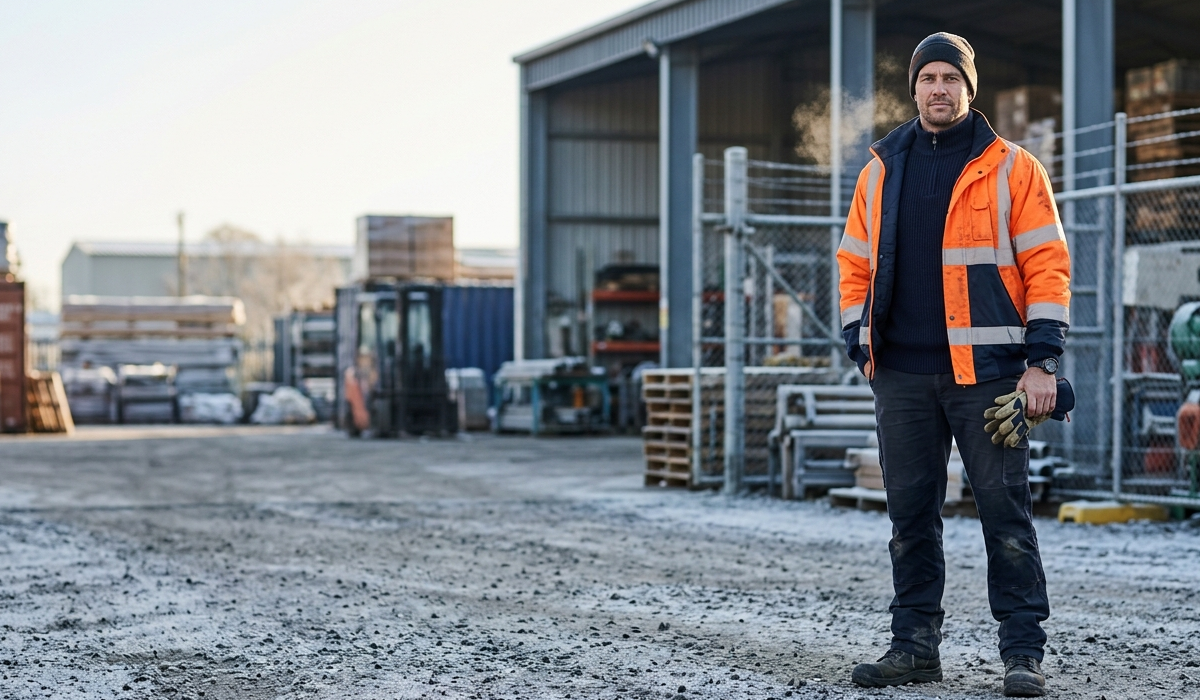
This next bit is where most guides fall short completely. A jumper for outdoor work needs to think about layering from the start, not as an afterthought. If you’re wearing it under a hi-vis jacket or softshell, bulk becomes a real problem, not just a comfort issue.
- Choose a slimmer thermal layer if you’re adding a jacket or gilet on top
- Long sleeve work shirts underneath can add an extra thin layer without the bulk
- Extra padded patches at the elbows help with jumpers worn under tool belts or harnesses
- Colour matters too, since darker shades hide dirt and marks better on active sites
It’s a bit like packing a rucksack. Everything needs to fit together without feeling cramped, and the same logic applies to layering insulated winter clothing for a full working day outdoors.
Quick Comparison: Jumper Types
To pull all of this together, here’s a simple breakdown to help you compare your options at a glance before deciding what suits your needs best.
| Jumper Type | Best For | Warmth Level | Ideal Setting |
| Acrylic knit sweater | Everyday durability | Good | Security, retail, general workwear |
| Cotton-rich knitted jumper | Smart, breathable warmth | Moderate | Office, hospitality, front-of-house roles |
| Merino wool long sleeve top | Active warmth | Excellent | Outdoor, physically demanding work |
| ¼ zip knitted sweater | Layering flexibility | Good | Field sales, mixed indoor/outdoor roles |
A warm winter knit doesn’t need to be complicated to choose once you know what each type is actually built for. It’s really just about matching the piece to how and where you’ll be wearing it.
Getting the Right Fit for Your Whole Team
Once you’ve worked out what suits you, the last step is making sure it works for everyone else too. If you’re kitting out a team or just want to get this right for yourself this winter, it’s worth browsing a proper jumper range rather than guessing from a generic search. We’d genuinely love to help you find the right fit, fabric, and warmth level for whatever your days look like, whether that’s an office desk or an exposed yard in December. Our team can even put together custom workwear bundles with embroidery or branding if you’re sorting this out for a whole crew, so you’re not stuck picking one jumper at a time. Get in touch, and let’s find something that actually keeps you warm this winter.
Frequently Asked Questions
Are thermal jumpers actually warmer than normal jumpers?
Yes, thermal knitted jumpers use denser knit structures that trap air and hold heat close to the body. A normal jumper just doesn’t insulate the same way, even if it feels equally thick.
What’s the best material for a jumper in winter?
Merino wool blends give the strongest warmth and moisture control for active outdoor use. Cotton-rich and acrylic blends work well for milder or mixed indoor and outdoor days.
Can i wear a thermal jumper under a work jacket?
Yes, a slimmer fitting thermal layers well under a jacket, gilet or softshell. Bulkier styles can feel restrictive once you add an outer layer on top.
How do i stop a thermal knitted jumper from losing its shape after washing?
Ribbed cuffs and hems, along with a good acrylic or wool blend, help the jumper hold its form. Washing on a lower temperature and avoiding tumble drying also helps it last longer.