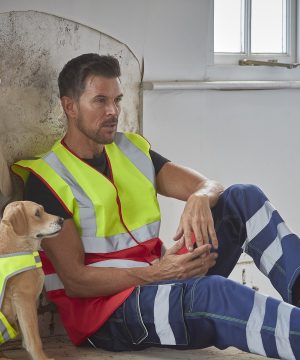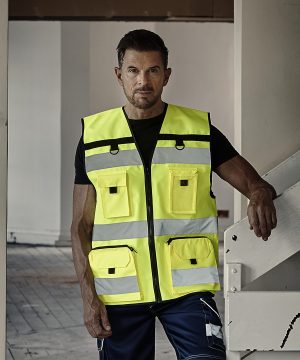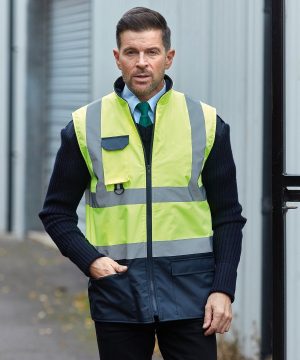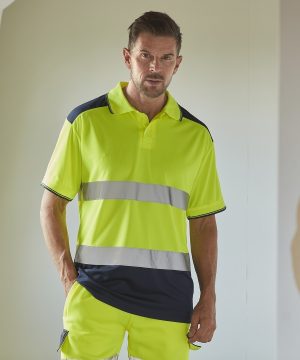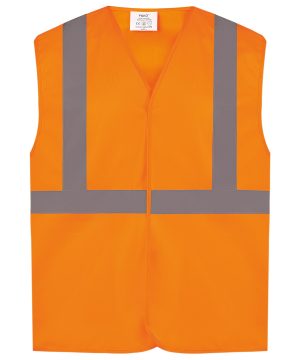

















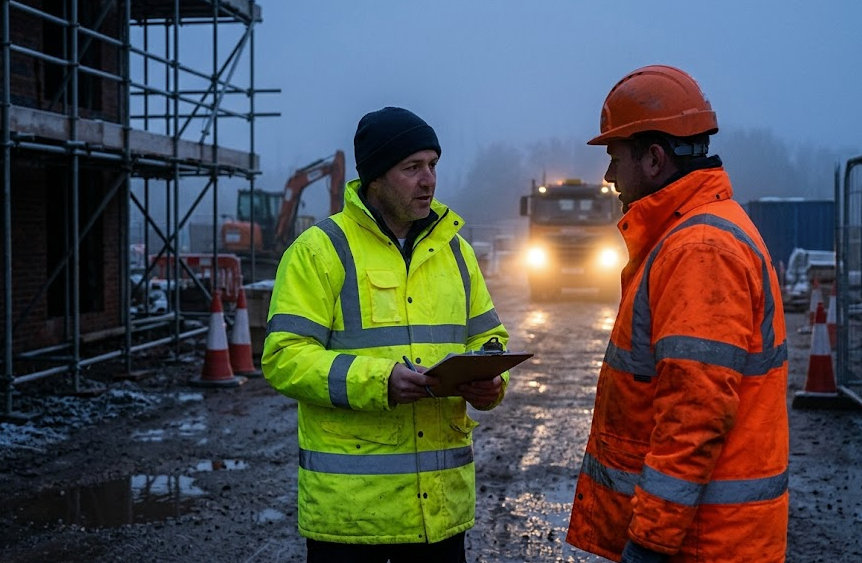

Can a reversing driver really spot your worker on a dark December morning? It’s a question plenty of site managers ask once the clocks change, especially with frost on the scaffold and rain in the air. The right winter hi vis clothing keeps your team seen when light is poor, and pairing it with warm work jackets means nobody has to choose between staying safe and staying comfortable.
Let’s walk through the rules that matter most this season.
EN ISO 20471 Winter Rules: What Really Changes in the Cold
Here’s the reassuring part. There’s no separate winter rulebook. The same standard covers all your winter hi vis clothing, but cold, dark weather puts it under far more pressure.
Same Three Classes, Tougher Conditions
EN ISO 20471 sorts hi vis into Class 1, Class 2 and Class 3. Class 1 is the minimum and Class 3 is the highest level. Rain, fog and early sunsets make the higher classes matter more, so a garment that felt fine in July might fall short in January.
Your Risk Assessment Picks the Class
You might think a bright vest is a bright vest. Sadly, not quite. Look at vehicle speed, lighting and weather around each task. Someone in a private car park has different needs from someone working beside fast traffic, which brings us to the top of the range.
Hi Vis Class 3 Jackets: When Your Site Needs Them
Class 3 offers the most visible surface area, so it’s the level to look for wherever traffic moves quickly. Here’s how the classes usually line up.
Where Each Class Fits
- Class 3: required for workers on or near dual carriageways and motorways.
- Class 2: suits lower-speed roads and areas where the risk is lower.
- Class 1: the minimum, often seen on trousers or vests in private car parks.
Why Jackets Get You There
Larger garments carry more fluorescent and reflective material, which is why hi vis class 3 jackets are the usual route to the top level. Rail is a special case. Orange is mandatory for railway workers because it stands out against green foliage. The orange/navy padded bodywarmer (HV005) meets RIS-3279-TOM for rail and infrastructure work, even though it’s Class 2 under EN ISO 20471.
Waterproof Hi Vis Workwear for Real British Weather
Wet clothes get cold quickly, and cold workers start unzipping things. Good waterproofing helps your team keep their winter hi vis clothing fastened and doing its job.
Jacket or Safety Coat?
- A waist-length jacket moves easily, so it suits drivers and active trades who climb or reach.
- A mid-thigh safety coat, usually a parka with a storm flap and hood, suits static roles like gate duty or roof work and copes better with heavy rain.
Staff who drift between the cabin and the yard may also like work cardigans as a warm layer indoors.
What a Padded Bodywarmer Can Do

The HV005 has a waterproof Oxford PU-coated outer, padding and a soft fleece lining. It resists wind and light rain, but it’s shower-proof rather than fully waterproof, so treat it as a layering piece. On the coldest days, a fleece jacket underneath adds extra warmth.
Retroreflective Tape Compliance and Fluorescent Background Material After Dark
Short days mean your winter hi vis clothing works harder once the light fades. Two materials do the heavy lifting.
What Each One Does
- Fluorescent background material is the bright yellow or orange fabric that makes people stand out in daylight.
- Retroreflective tape bounces light back towards its source, such as headlights, which matters most in the dark.
What Quietly Breaks Compliance

- Dirt and oil: a heavily stained garment can’t reflect properly, so replace it if a wash doesn’t help.
- Fabric softener: it can damage reflective tape, so follow the wash limit on the label.
- Colour: on the two-tone waistcoat (HVW122), only Yellow/Orange is Class 2. Every other colour is Class 1.
- Covered material: bags, harnesses and large logos can hide visible areas, so check before adding branding.
UK Site Manager Safety Compliance: A Simple Winter Checklist
Rules only work when they’re followed on the ground. A short routine keeps both your team and your paperwork in good shape.
HSE PPE regulations expect PPE to be suitable for the task, kept in good condition and worn properly, so build your checks around that.
- Match the class to the risk of each task.
- Check labels for the EN ISO 20471 mark and stated class.
- Inspect garments regularly for fading, tears and worn tape.
- Replace anything faded, oily or past its wash limit.
- Keep spare vests in the van for visitors and quick site visits.
- Keep logos away from reflective areas, and save personalised gilets for warm mid-layers rather than your main hi vis.
Before you issue winter hi vis clothing, run through that list once. Then repeat it whenever conditions change.
Winter Hi-Vis Quick Guide for Site Managers
Here’s everything above in one place, so you can pin it up in the site cabin.
Get Your Team Seen, Warm and Ready for the Dark Months
Choosing well now saves a scramble when the first frost arrives. Browse our safety vests and jackets, add your logo through embroidery or printing, and keep your winter hi vis clothing simple to manage across every site. Bulk orders come with free delivery, and if you’d like help matching garments to your team, just contact us. We’ll gladly point you towards the right kit.
Winter Hi-Vis Questions Site Managers Ask
Do different Hi Vis rules apply in winter?
No, the same EN ISO 20471 standard applies all year. Winter simply makes class, garment condition and reflective tape more important.
Which Hi Vis class do I need near motorways?
Class 3. It’s required for workers on or near dual carriageways and motorways.
Can I wash Hi-Vis in a normal washing machine?
Yes, but skip fabric softener because it can damage reflective tape. Check the label for the maximum number of washes too.
What colour is Hi Vis required for rail work?
Orange. It contrasts best with the green foliage along many tracks, so train drivers can spot workers from further away.