





















The Truth About Steel Toe Shoes That Most Workers Discover Too Late

Ever reached the end of a shift and felt like your feet were more exhausted than the rest of you?
For many workers, that feeling starts with the wrong Steel Toe Shoes.
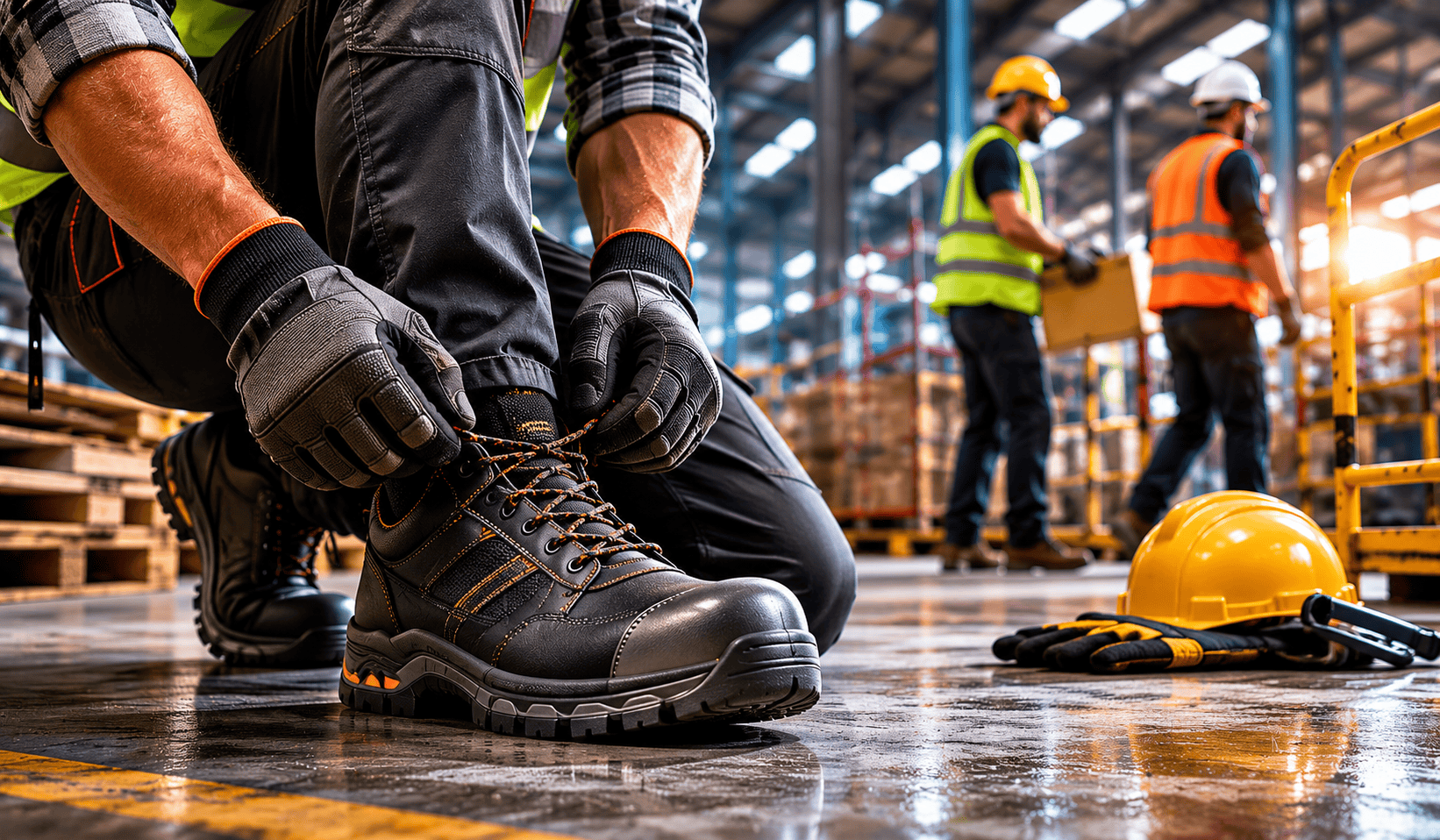
Whether you work on-site, in a warehouse, or in industrial spaces, the footwear you wear shapes your whole day. It affects how you move, how long you stay comfortable, and how safely you work. Many people spend time choosing the right uniform or practical gear but often overlook the one thing carrying them through every shift.
That’s usually where the trouble begins.
In this guide, we’ll break down what most workers discover too late about safety footwear, why the right choice matters, and how better footwear can improve comfort and safety at work.
Steel Toe Protection Isn’t the Whole Story
Many workers buy safety footwear thinking the steel toe is the only thing that matters.
It’s one of the biggest mistakes people make.
While toe protection is important, it’s only one part of what makes a good pair of Steel Toe footwear. The truth is, your comfort, grip, support, and durability matter just as much, especially when you’re wearing them for long hours every day.
However, the truth is, your comfort, traction, support, and durability are equally important, particularly when you’re wearing them day in, day out.
Things many workers often forget to consider:
- Right sole traction for wet, slippery, or uneven conditions
- Cushioning that can help lessen the pressure on your feet and joints
- Breathable construction to keep your feet cool for longer hours
- Good build and sewing to make the shoes more durable
- Correct fit to prevent blisters and foot pain
For instance, two workers may be wearing footwear that provides equal toe protection, but by the end of the day, one feels all good whereas the other one ends up with sore feet and aching legs.
That’s why choosing the right safety footwear isn’t just about protection. It’s about making sure your feet can handle the full demands of the job.
The Biggest Truth About the Best Steel Toe Shoes for Work
One of the biggest mistakes workers make is thinking all safety footwear offers the same experience.
It doesn’t.
The perfect safety footwear for work is built for more than toe protection. They should be able to hold up your whole foot and lessen any strain that occurs throughout the day.
Some items often ignored:
- Arch support for relieving any pressure
- Shock absorbency for relieving stress in the knees and back
- Breathability for keeping your feet cool
- Flexibility for bending and walking
- Slip resistance to prevent slipping
Imagine spending ten hours moving pallets or lifting stock. Even strong toe protection won’t help much if the rest of the shoe leaves your feet aching.
That’s why the full design matters.
Why Comfortable Steel Toe Shoes Matter More Than You Think
Many workers accept foot pain as part of the job.
It shouldn’t be.
Wearing lightweight steel-toe shoes can improve your focus, energy, and movement across the day. If your feet hurt, everything else feels harder.
Signs your footwear may not be right:
- Heel pain after a few hours
- Tightness around the toes
- Regular blisters
- Lower back discomfort
- Heavy or tired feet before your shift ends
Many people face this and assume they just need time to break their shoes in.
Sometimes that’s true, but sometimes it’s simply the wrong fit.
Getting it right early can save weeks of discomfort.
Not All Steel Toe Shoes for Construction Workers Are the Same
Construction work places different demands on footwear compared to warehousing or general trade work.
That’s why these toe shoes for the construction workers need stronger features.
From rough terrain to hazardous materials and variable weather conditions, the profession places relentless strain on your shoes.
The qualities to look out for include:
- Grip on uneven surfaces
- Water repellent properties due to exposure to the outdoors
- Midsole protection against sharp objects such as nails
- Ankle support
- Reinforcement of seams
A good example is that of an individual who works within a building on smooth surfaces indoors as opposed to one working in muddy constructions.
Matching the shoe to the environment makes a big difference.
The Hidden Cost of Cheap Workplace Safety Footwear
Cheap footwear often feels like the easy choice.
Until it wears out.
Low-quality safety footwear can lose comfort and protection much faster than expected. What looks cheaper at first can cost more over time.
Common problems include:
- Soles wearing down too quickly
- Cushioning flattening after short use
- Reduced grip on slippery floors
- Faster damage around seams
- More frequent replacements
For businesses buying for teams, this matters even more.
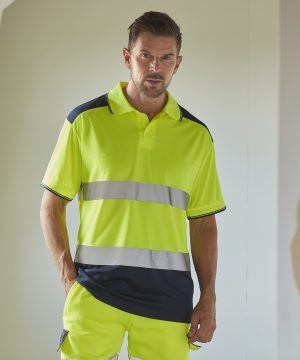
That’s one reason many employers invest in better PPE, along with durable personalised workwear, to create a more reliable work setup.
Good equipment lasts longer and supports workers better.
Steel Toe Safety Shoes vs Protective Toe Cap Shoes
Many people search for protective toecap shoes without knowing there are different options available. Steel is the most recognised, but it’s not the only choice.
Here’s a simple comparison:
| Feature | Steel Toe Shoes | Protective Toe Cap Shoes (Composite) |
| Protection level | Very high | High |
| Weight | Heavier | Lighter |
| Flexibility | Less flexible | More flexible |
| Heat transfer | Conducts heat and cold | Better insulation |
| Best suited for | Heavy-duty jobs | Long-shift comfort |
This is something many competitor blogs miss. Not every role needs the heaviest protection.
If your job involves long hours walking or lighter risks, lighter options can sometimes be a better fit.
That balance between safety and comfort matters.
How to Choose the Right Pair Without Regret
Selecting the correct footwear involves considering what your working day is truly like.
Before investing in work footwear, ask yourself about what your work environment truly requires.
Some considerations include:
- Do you walk all day long or do you remain in one position?
- Do you work inside or outside?
- Are your working conditions damp and slippery?
- Do you require waterproofing?
- Do you lift or shift heavy objects frequently?
A delivery person will have different needs than a construction worker.
A logistics worker may even consider wearing comfortable shoes.
Someone working in logistics might even prefer lightweight safety shoes if their job involves constant movement.
The point is simple.
Your footwear should fit your work, not just your budget.
Start with the Right Step
The truth about steel toe footwear often becomes clear only after the discomfort begins. It normally begins with minor factors such as sore feet and tired leg muscles due to the accumulated fatigue at the end of the day. While many employees tend to overlook these symptoms and continue their work, they eventually have an impact on comfort, concentration, and even safety. The proper selection of footwear from the very beginning will make a great difference. It allows you to perform better and longer without any extra stress. Together with other necessary accessories such as cargo shorts and customized workwear, proper footwear creates an efficient working outfit for you.
Frequently Asked Questions
Are steel toe shoes uncomfortable at first?
A little stiffness can be normal when new, but they shouldn’t cause pain or heavy rubbing. A proper fit should feel supportive from the start.
What are the best steel toe shoes for work?
The best toe shoes depends on your environment. Construction, logistics, and warehouse roles all have different demands.
Can comfortable work footwear still be considered safe?
Yes, comfortable and flexible toe shoes will remain equally protective if they adhere to safety requirements and fit the work involved.
How long can one expect steel toe safety shoes to last?
This varies depending on how and where the shoes are used; but good safety shoes should outlast cheap footwear considerably.