






















Have you ever stood on a chilly construction site, staring at a rail of yellow gear and wondering if you are actually picking the right thing for the shift? It’s a common question because, at first glance, a Hi Vis Jacket and a safety coat look remarkably similar. However, choosing the wrong one could mean the difference between staying bone-dry during a British downpour or ending up soaked before your first tea break. Let’s dive into the specifics so you can work out exactly which piece of kit will keep you safe, seen, and comfortable while you work.
Defining the Essentials of Hi Vis Safety Clothing
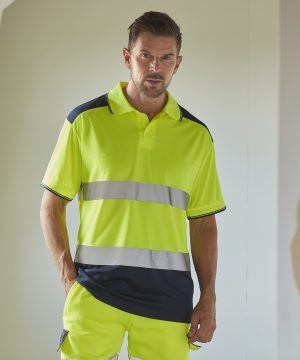
When we talk about hi vis safety clothing, we are looking at gear designed to make you stand out against any background. Whether it’s a lightweight reflective work jacket for a driver or a heavy-duty parka for a railway worker, the goal is simple: visibility. When choosing between a jacket and a coat, it all boils down to the design of the clothing and the extent of coverage from the British climate conditions.
- High-Visibility Jacket: This is shorter clothing that stops at the waist area. It is designed for flexibility and is most popular among individuals who get into vehicles.
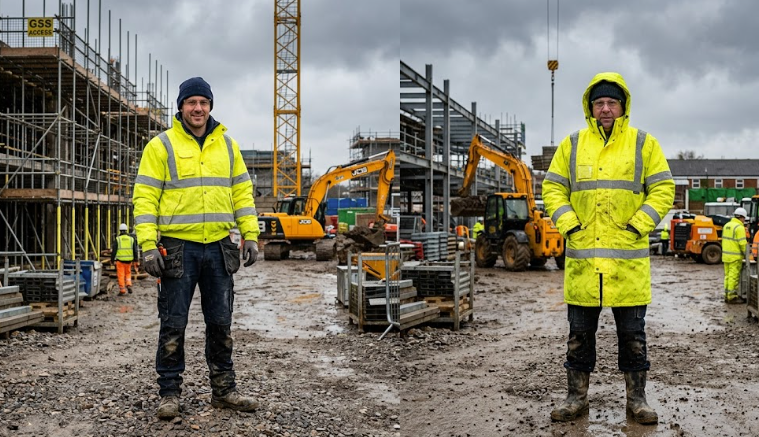
- Safety Coat: This is the longest piece of safety wear, which extends to the mid-thigh area. It ensures full coverage and is the heavyweight in the PPE family during cold conditions.
- Reflective Elements: Both use retro-reflective tape that bounces light back to its source, which is vital for workplace safety.
- Fluorescent Fabric: This is the bright yellow or orange material that helps you stay visible during the daytime.
The functional appeal of the Hi Vis Jacket
If your job involves a lot of bending, reaching, or sitting, a high-visibility jacket is likely your best friend. Because they are shorter, they don’t bunch up around your hips when you sit in a van or operate machinery. Many people prefer the bomber style because it feels less restrictive and allows for a greater range of motion during physical tasks.
- Mobility: The waist-length cut means your legs have total freedom, making it ideal for climbing ladders or scaffolding.
- Versatile Design: Many of these jackets come with detachable sleeves, so you can adapt them as the morning frost turns into a milder afternoon.
- Elasticated Fit: Most styles feature elasticated waistbands and cuffs to keep the warmth in and prevent the fabric from snagging.
- Storage: Even though they are shorter, they usually pack plenty of pockets for your phone, pens, and small tools.
Why a high visibility safety coat is a winter essential
When the wind starts howling across an open site, a high visibility safety coat is what you’ll be reaching for. It’s essentially a shield against the elements. The extra length provides a vital overlap between your jacket and your trousers, ensuring that rain doesn’t find its way onto your lower back when you lean over.
- Superior Warmth: These coats often feature heavy thermal quilting, making them the ultimate choice for outdoor workers in the peak of winter.
- Full Waterproofing: Because they cover more of your body, they offer better protection during sustained heavy rain.
- The Parka Advantage: Most safety coats are designed as parkas, featuring a storm flap over the zip and a concealed hood for nasty weather.
- Durable Build: They are often made from heavier-duty fabrics that can withstand the rough and tumble of a busy industrial environment.
Hi Vis Jacket vs Safety Coat: A Quick Comparison
Choosing a garment that suits your surroundings is very important for your comfort throughout the day. The following list will guide you about the type of jacket or coat that should be chosen by your group.
| Feature | Hi-Vis Jacket | Safety Coat |
| Typical Length | Waist-length (Bomber style) | Mid-thigh length (Parka style) |
| Best For | Drivers and active trades | Static outdoor roles |
| Movement | High (Great for climbing) | Moderate (Better for walking) |
| Weather | Windproof and water-resistant | Fully waterproof and thermal |
Understanding PPE high visibility clothing standards
Safety isn’t just about being bright; it’s about meeting legal requirements. In the UK, we follow strict EN ISO 20471 standards. When looking for PPE high visibility clothing, you’ll notice different classes. Class 3 is the highest level, providing the most reflective surface area for high-speed environments like motorways.
- Class 3: Required for workers on or near dual carriageways or motorways.
- Class 2: Suitable for lower-speed roads or areas where the risk is lower.
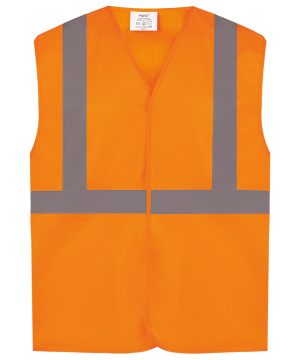
- Class 1: The minimum level, often seen on trousers or hi vis vests used in private car parks.
- Color Choice: Yellow is common, but Orange is mandatory for railway workers because it stands out best against green foliage.
Choosing workplace visibility safety gear for your team
As a business owner, you want your team to look professional while staying safe. Investing in high-quality workplace visibility safety gear shows your staff that you value their comfort. At Signature Supplies, we see many clients who choose a Hi-Vis Jacket for their delivery drivers but opt for the heavier coats for their yard staff.
- Branding: Both styles can be easily embroidered or printed with your company logo.
- Durability: Look for Oxford weave fabrics, which are famously tough and resistant to tears.
- Breathability: If your team is doing heavy manual labor, look for breathable ratings so they don’t get too sweaty.
- Cleanliness: Remember, dirty hi-vis isn’t safe hi-vis. Choose garments that can withstand multiple wash cycles without losing brightness.
Finding the right fit for your daily grind
Think about an average Tuesday. If you spend half the day in a forklift or a van, the shorter high-visibility jacket is the winner. It won’t get caught in the seatbelt or bunch up uncomfortably. On the other hand, if you are the person standing at the gate or working on a cold, exposed roof, you’ll be much happier in a safety coat.
Many workers actually keep a few hi vis vests in the van for quick visits to sites, but they rely on their Hi vis work jackets for the bulk of the shift. Having a mix of gear allows you to stay safe regardless of how the British weather decides to behave.
Making the smart choice for your safety
Ultimately, whether you choose a jacket or a coat, the most important thing is that you actually wear it. Choosing a garment that fits well and suits your movement makes it much more likely that you’ll keep it zipped up. A good Hi-Vis Jacket is an investment in daily wellbeing, ensuring everyone goes home safe at the end of every shift. Stay bright, stay warm, and stay safe out there.
Frequently Asked Questions
Can I wash my hi vis jacket in a normal washing machine?
Yes, but avoid using fabric softener, as it can degrade the reflective tape. Always check the label for the maximum number of wash cycles, as the brightness can fade over time.
Why is orange hi vis required for rail work instead of yellow?
Orange provides the best contrast against the green backgrounds found along many tracks. It ensures that train drivers can spot workers from a significant distance.
What is the difference between a bomber jacket and a parka?
A bomber jacket is waist-length with elasticated cuffs for easy movement. A parka is longer, offers more weather protection, and typically includes a heavier lining for warmth.
Does a hi vis jacket need to be replaced if it gets stained?
Yes. If the fabric is covered in oil or heavy dirt, it can’t reflect light properly, making it unsafe. If a wash doesn’t get it clean, it is time to replace it.