















How many shades of navy is your business wearing right now? One site hands new starters a crisp embroidered polo, another is still using last year’s style, and a customer who visits both starts to wonder whether they belong to the same company. A clear company uniform policy stops that drift before it begins, and you might be surprised how little it takes to get every branch matching.
This guide covers how to set one standard, write it down in everyday words and keep every site following it.
Table of Contents
- What Does an Employee Uniform Policy Cover Across Sites?
- Why Does a Staff Dress Code Policy Slip Between Locations?
- How Do You Write Company Uniform Guidelines Every Site Can Follow?
- What Makes Multi-Location Uniform Management Easier?
- How Should Corporate Uniform Standards Fit Each Role?
- Which Employee Uniform Requirements Should Be Written Down?
- Ready to Get Every Site Looking Like One Team?
What Does an Employee Uniform Policy Cover Across Sites?
It is a short written set of rules that says what staff wear, who provides it and how it is looked after. When it applies to every site in the same way, a new starter in one town looks just like a long-serving colleague in another.
It Names the Exact Garments
- Write down the polo, trousers, jacket and footwear each role wears, with colours and logo positions. A company uniform policy that only asks for smart branded clothing leaves every manager to decide for themselves.
It Says Who Provides What
- State whether staff receive a starter set, how replacements work and what happens when someone leaves. Sorting this out once saves each site from inventing its own answer.
Why Does a Staff Dress Code Policy Slip Between Locations?
It slips when each site makes small, sensible decisions on its own, such as swapping a size or buying from a nearby shop. Added together, those choices slowly pull the look apart.
Local Shortcuts Add Up
- A manager runs short of one size and orders something similar from elsewhere. Moreover, the next manager copies that choice, and within a few months two different blues are in use.
Nobody Owns the Standard
- When no single person looks after the rules, old versions stay in circulation. A workplace clothing policy needs one named owner who updates it and confirms that every site has seen the change.
How Do You Write Company Uniform Guidelines Every Site Can Follow?
Keep the rules short, specific and written in everyday words, so a busy supervisor can follow them without phoning head office. Begin with what is compulsory, then add the finer details.
Start With One Approved List
- Build a single list of garments that every site orders from. Your company uniform policy then has a clear reference point, and new items only join the list when someone at head office signs them off.
Cover the Everyday Details
- Say how garments should be kept, whether jackets are worn on the front desk and what to do when something wears out. Short answers to these small questions stop most disagreements before they begin.
What Makes Multi-Location Uniform Management Easier?
It gets easier when ordering, branding and delivery sit with one team instead of being repeated at every site. Fewer hands means fewer chances for the look to change.
Choose One Supplier for Every Site
- Choosing one uniform supplier UK businesses can trust keeps colours, logos and fabrics matching from site to site. Signature Supplies, based in Birmingham, handles printing, embroidery and branding in-house and is ISO 9001 certified, so repeat orders match the first.
Order Each New Site as a Bundle
- Ask about workwear bundles and bulk pricing, which starts from 10 items, so a new site can be kitted out in a single order.
Tip: Signature Supplies offers man packing free of charge. Each package holds every ordered item with the staff member’s name on it, so a site manager hands out kits instead of sorting a bulk box.
How Should Corporate Uniform Standards Fit Each Role?
Not every job needs the same garment, but every job should look like part of the same brand. Matching colours, logos and quality across different roles gives you one shared identity without forcing office staff into site boots.
Match Garments to the Work
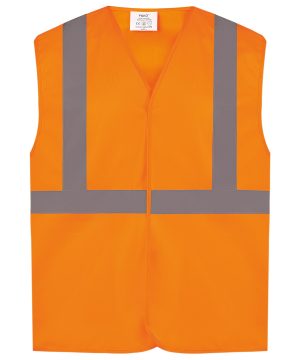
- Warehouse teams may need hi-vis vests and safety footwear, while customer-facing teams suit polos, shirts and jackets. Signature Supplies stocks all of these, along with tunics, aprons and softshells, so one order can cover very different jobs.
Keep Hospitality Teams Polished
- A hotel group with several properties might dress front of house in waistcoats and shirts, housekeeping in tunics and managers in smart jackets. One logo and colour family across all those hotel staff uniforms keeps every property feeling connected.
Which Employee Uniform Requirements Should Be Written Down?
Write down anything that could be done two ways, from garment choice to logo position. A simple one page sheet for each role is usually enough, and work uniform polo shirts are an easy place to begin because they suit nearly every team.
| Detail to Record | Why It Matters |
|---|---|
| Approved garments and colours | Every site orders the same items |
| Logo position and method | Embroidery suits polos, fleeces and jackets, while printing suits T-shirts and hoodies |
| Replacement rules | Sites stop inventing their own |
| Footwear and safety wear | Hi-vis and boots are covered where the job needs them |
| Review date | The policy stays current |
Ready to Get Every Site Looking Like One Team?
Begin by writing one short company uniform policy, naming an owner and agreeing a single approved garment list. After that, kitting out a new site becomes a repeat job instead of a fresh puzzle. If you would like help choosing garments, adding your logo and sending kits to every location, contact us and the Signature Supplies team will talk you through the options, including trade pricing for larger teams. A quote usually comes back within 48 hours.
Frequently Asked Questions
What Should a Company Uniform Policy Include?
It should list the approved garments for each role, logo positions, replacement rules, care expectations and a named owner. Add an effective date and a review date so everyone knows the rules are current.
Is It Legal for an Employer to Enforce a Uniform Policy in the UK?
Employers can set their own uniform rules because no single UK law covers workplace uniforms. The rules must still be fair and avoid discrimination under the Equality Act 2010, so it is worth checking the wording with an employment adviser.
How Often Should a Uniform Policy Be Reviewed?
Once a year works well, and sooner if you open a new site or change supplier. Asking staff for feedback at each review shows what is working in practice.
How Do You Keep Uniforms the Same Across Different Branches?
Order every garment through one supplier, keep a single approved list and name one person to look after it. Signature Supplies produces its printing and embroidery in-house, which helps repeat orders match.
Can You Get Bulk Pricing on Workwear for Several Sites?
Signature Supplies offers trade pricing with bulk discounts from 10 items. Free logo digitisation and artwork setup are included on bulk orders.